Advertisement
Advertisement
May/June 2026
Controversies in Renal Denervation
Perspectives on key discussion points in renal denervation, including recommended blood pressure targets and documentation, patient monitoring, changes in practice patterns, data needed to drive increased adoption, and lessons learned from the European experience.
With Joseph E. Ebinger, MD, MS, FACC; Maria Carolina Delgado-Lelievre, MD; Atul Chugh, MD, FACC, RPVI; Brian C. Bigelow, MD, FACC, FSCAI, FSVM; Eric A. Secemsky, MD, MSc, RPVI, FACC, FAHA, FSCAI, FSVM; and Joachim Weil, MD
Do you agree with the 140 mm Hg systolic and 90 mm Hg diastolic blood pressure (BP) target as listed in the National Coverage Determination (NCD)?

Advances in renal denervation (RDN) therapy have resulted in FDA approval of the procedure for uncontrolled hypertension (HTN), with the NCD specifically indicating use for patients with BPs > 140/90 mm Hg while on medical therapy, despite contemporary national guidelines defining uncontrolled BP as > 130/80 mm Hg.1 This discrepancy is not without merit, as most RDN trials included patients with BPs well above 140/90 mm Hg. It is important to remember that RDN was initially developed and tested as an adjunct procedure for patients with resistant or difficult-to-control HTN, a fact that is recognized in both the NCD and guideline recommendations.
However, the important question is if patients with BP > 140/90 mm Hg are likely to have therapies available to them that may lower their BP further without the need for an invasive procedure. Specifically, lifestyle modification and medication optimization need to be aggressively pursued.2 Lifestyle modification, including factors such as achieving at least 150 minutes of moderate-intensity exercise a week,3 strong antihypertensive medication adherence (defined as at least 80% adherence),4 and changes in diet, especially with reductions in alcohol and salt intake,5,6 are rarely achieved by patients before labeling them as uncontrolled.7 These factors are both less expensive, associated with lower risk, and have additional health benefits beyond BP reduction than those seen with RDN.
Conversely, an NCD that follows a less stringent definition of uncontrolled HTN than current national guidelines runs counter to the evidence from numerous clinical trials that demonstrate that “lower is better” when it comes to BP targets.8-10 Withholding RDN, a therapy with clear data on reducing BP, from patients with BPs above target according to national guidelines does a disservice to their long-term health. Additionally, RDN may provide additional benefits beyond simply lowering BP and reducing cardiovascular risk.
Specifically, given the growing recognition of uncontrolled HTN as a major risk factor for the development of cognitive impairment later in life, any intervention that reduces BP to target will likely help to increase not just the years in patients’ lives but the life in patients’ years.11 As such, as additional data become available, consideration should be given to revising the NCD to include patients with BP > 130/80 mm Hg.
1. Writing Committee Members; Jones DW, Ferdinand KC, Taler SJ, et al. 2025 AHA/ACC/AANP/AAPA/ABC/ACCP/ACPM/AGS/AMA/ASPC/NMA/PCNA/SGIM guideline for the prevention, detection, evaluation and management of high blood pressure in adults: a report of the American College of Cardiology/American Heart Association Joint Committee on Clinical Practice Guidelines. Hypertension. 2025;82:e212-e316. doi: 10.1161/HYP.0000000000000249
2. Blumenthal JA, Hinderliter AL, Smith PJ, et al. Effects of lifestyle modification on patients with resistant hypertension: results of the TRIUMPH randomized clinical trial. Circulation. 2021;144:1212-1226. doi: 10.1161/CIRCULATIONAHA.121.055329
3. Barone Gibbs B, Hivert M-F, Jerome GJ, et al. Physical activity as a critical component of first-line treatment for elevated blood pressure or cholesterol: who, what, and how?: a scientific statement from the American Heart Association. Hypertension. 2021;78:e26-e37. doi: 10.1161/HYP.0000000000000196
4. Choudhry NK, Kronish IM, Vongpatanasin W, et al. Medication adherence and blood pressure control: a scientific statement from the American Heart Association. Hypertension. 2022;79:e1-e14. doi: 10.1161/HYP.0000000000000203
5. Couch SC, Saelens BE, Khoury PR, et al. Dietary approaches to stop hypertension dietary intervention improves blood pressure and vascular health in youth with elevated blood pressure. Hypertension. 2021;77:241-251. doi: 10.1161/HYPERTENSIONAHA.120.16156
6. Suzuki T, Fukui S, Yoneoka D, et al. Blood pressure after changes in light-to-moderate alcohol consumption in women and men: longitudinal Japanese annual checkup analysis. J Am Coll Cardiol. 2025;86:2031-2044. doi: 10.1016/j.jacc.2025.09.018
7. Carey RM, Calhoun DA, Bakris GL, et al. Resistant hypertension: detection, evaluation, and management: a scientific statement from the American Heart Association. Hypertension. 2018;72:e53-e90. doi: 10.1161/HYP.0000000000000084
8. SPRINT Research Group; Wright JT Jr, Williamson JD, Whelton JD, et al. A randomized trial of intensive versus standard blood-pressure control. N Engl J Med. 2015;373:2103-2116. doi: 10.1056/NEJMoa1511939
9. Bi Y, Li M, Liu Y, et al. Intensive blood-pressure control in patients with type 2 diabetes. N Engl J Med. 2025;392:1155-1167. doi: 10.1056/NEJMoa2412006
10. Lauder L, Rahimi K, Böhm M, Mahfoud F. Debate on the 2025 guideline for the prevention, detection, evaluation, and management of high blood pressure in adults: new blood pressure targets, lower is better—and possible. Hypertension. 2025;82:1551-1558. doi: 10.1161/HYPERTENSIONAHA.125.25466
11. SPRINT MIND Investigators for the SPRINT Research Group; Williamson JD, Pajewski NM, Auchus AP, et al. Effect of intensive vs standard blood pressure control on probable dementia: a randomized clinical trial. JAMA. 2019;321:553-561. doi: 10.1001/jama.2018.21442
How are you planning on documenting ambulatory BPs?

As the Founding Director of an American Heart Association (AHA)–certified Comprehensive Hypertension Center at the University of Miami, we approach ambulatory BP not simply as a measurement, but as a physiologic signal that informs both patient selection and therapeutic response in RDN. All patients evaluated in our center, including those considered for RDN, undergo a comprehensive assessment integrating biochemical and physiologic profiling. This includes characterization of salt sensitivity, aldosterone-related physiology, and, critically, 24-hour BP behavior.
The decision to proceed with RDN is made within a multidisciplinary framework involving HTN specialists and interventional cardiology, ensuring that candidacy reflects underlying biology rather than BP values alone.
Ambulatory BP monitoring (ABPM) is foundational to this model. We perform 24-hour ABPM in essentially all patients, using cuffless wearable technology in approximately 98% of cases and conventional cuff-based systems in a small minority (approximately 2%) when clinically indicated. Importantly, our interpretation extends beyond mean BP values. We analyze dynamic physiologic patterns, including circadian variation and the relationship between systolic BP and heart rate across the 24-hour cycle. Because both are modulated by sympathetic tone, their temporal behavior, particularly during daytime periods, provides insight into the neurogenic contribution to HTN and helps contextualize expected response to RDN.
After RDN, we emphasize that response is heterogeneous and time dependent. Some patients demonstrate early reductions within weeks, whereas others have a delayed trajectory. Accordingly, we avoid premature conclusions based on early measurements. Patients are instructed to perform structured home BP monitoring, typically twice daily under standardized conditions. Education is practical and focused, emphasizing technique, consistency, and minimizing variability.
We repeat ABPM at 1 to 3 months after the procedure, guided by clinical context and symptoms. As patients transition into longitudinal follow-up, including those now beyond their first year, we perform repeat ABPM approximately every 6 months to assess durability and evolving physiologic patterns. Home BP logs provide complementary information but are interpreted within the physiologic framework established by ABPM.
Ultimately, the goal is not only to document BP reduction, but to understand how RDN transforms BP physiology over the full 24-hour cycle, advancing a more precise and individualized model of care.
How is your institution or practice planning to accommodate the requirement of seeing patients at least three times in 6 months?


The surge of public interest in RDN has done more than elevate a new technology—it has forced health systems to rethink how HTN care is organized. RDN has become a catalyst, pushing programs away from single-physician dependence and toward multidisciplinary, scalable models that can support true longitudinal care.
When I joined Ascension St. Vincent Heart Center, our resistant HTN efforts were largely anchored by Dr. Bigelow, who managed everything from case adjudication to long-term follow-up. His work was outstanding, but scalability in this model is challenging. Together, we set out to redesign the program into a team-based structure capable of meeting rising demand and delivering consistent, high-quality care.
BUILDING ALIGNMENT AROUND THE NEED
Our first step was creating institutional alignment. Market-specific data made the case clear: uncontrolled HTN was driving acute hypertensive admissions, contributing to heart failure readmissions, and adding avoidable strain on hospital resources. These insights helped secure support for a dedicated HTN center with defined roles, reliable diagnostics, and a clear pathway to RDN when appropriate.
A PURPOSE-BUILT, MULTIDISCIPLINARY MODEL
The developing program centers on four elements (Figure 1):
- Interventional cardiology leadership for procedural evaluation and RDN therapy
- Noninvasive HTN expertise to anchor longitudinal management
- A dedicated HTN navigator team—in our case, an advanced practice provider and outpatient pharmacist—to drive medication titration, home BP reliability, and 24-hour ABPM coordination
- Intentional workflows that route patients into the HTN program rather than dispersing them across general cardiology clinics
Establishing 24-hour ABPM capability was particularly important, both for diagnostic accuracy and for progressing toward AHA Comprehensive Hypertension Center accreditation.
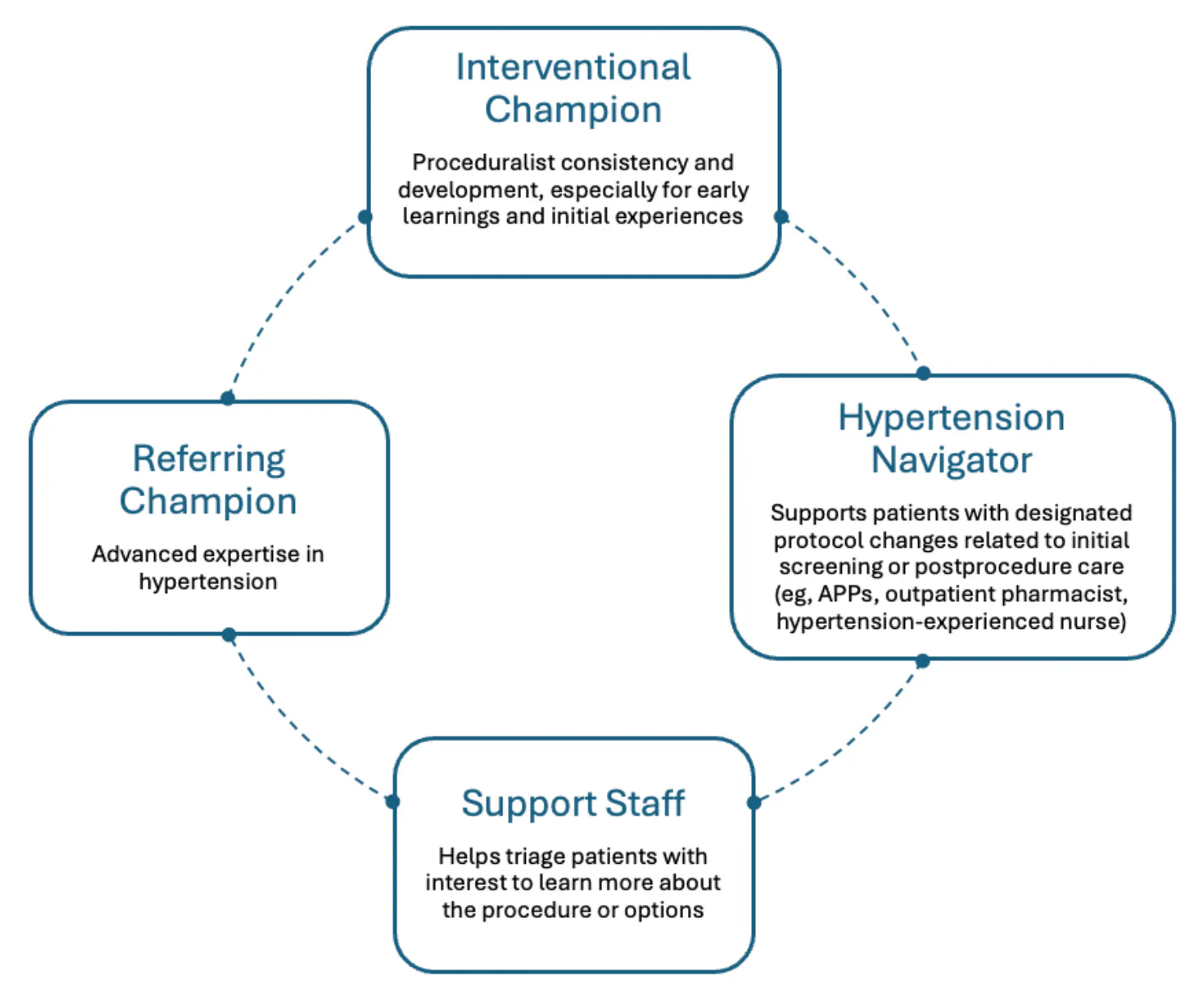
Figure 1. Structure of the multidisciplinary hypertension program.
EARLY SIGNALS OF IMPACT
Although the infrastructure requires investment, early returns have been encouraging. Public enthusiasm for RDN has expanded our referral base beyond our own system. More importantly, we are seeing fewer admissions for acute hypertensive crises—hospitalizations that consume bed capacity without contributing to procedural throughput.
VISIT CADENCE: BEYOND CMS MINIMUMS
The Centers for Medicare & Medicaid Services (CMS) updated NCD allows two of the three required pre-RDN visits to be virtual. In practice, a high-functioning HTN program far exceeds this minimum. Early titration often requires multiple touchpoints per month, with visit frequency tapering—either through in-person encounters, virtual visits, or asynchronous care delivery—only after BP control is achieved. Sustainable outcomes depend on this early intensity.
THE BIGGER PICTURE
RDN may be the spark, but the real opportunity lies in building durable HTN infrastructure. When administrative alignment, multidisciplinary expertise, and intentional workflows come together, the result is a program that serves patients more effectively while freeing institutional resources for higher-acuity care. In an era where HTN remains one of the most pervasive drivers of morbidity and cost, that alignment is not just clinically sound—it is operationally essential.
Are additional data needed to drive adoption of RDN in HTN centers in the United States?

Currently, we are in a stable place with RDN since approval by the FDA in November 2023. Although widespread reimbursement is still a need, the CMS announcement of an NCD in October 2025 has helped secure coverage for all our Medicare patients (both traditional and Medicare Advantage), which makes up nearly half of my practice, and more private payers are coming on every week. In addition, RDN was included in the recent American College of Cardiology (ACC)/AHA HTN guidelines,1 making it one of the only invasive therapies recommended for managing uncontrolled HTN.
Now is an important time to plan for the future and determine unmet needs to help fulfill unanswered questions and secure more evidence of our patients and clinicians, in particular for areas where we have limited or no data. One of the most common questions that comes up clinically is how to manage patients with chronic kidney disease. Currently, the instructions for use for RDN excludes patients with a glomerular filtration rate (GFR) < 40-45 mL/min/1.73 m2, as these patients were excluded from the pivotal trials. However, increasing experience outside the United States has shown promising outcomes for this patient population, both for BP reduction and stabilization of kidney function. As this is a well-represented patient group among those with uncontrolled HTN and one that has a significant need for nonpharmacologic options in addition to medications, more data are needed, in particular in the United States and ideally with a path to revising current indications to include those with lower GFRs.
Also, questions remain about efficacy of RDN in patients with isolated systolic HTN (ISH). This BP phenotype is particularly present among older patients and can be challenging to manage. Although data are supportive of the efficacy of RDN in patients with ISH outside the United States, we still need more data to support RDN as a therapeutic option, in particular as these patients are currently not included in the CMS NCD.
Lastly, there has been a persistent call for outcomes data to demonstrate that RDN not only reduces BP but also leads to improved cardiovascular event outcomes. These trials are challenging to run due to the need to enrich patients for cardiovascular events, follow patients for a substantial number of years, and control for other variables outside of RDN during this time that may also influence cardiovascular outcomes. Notably, both lipid and BP pharmacotherapies are not required to show clinical event reduction for similar reasons in pivotal trials.
However, these events and more can be ascertained in real-world data registries, which couple both on- and off-label RDN utilization, higher-risk patients than observed in clinical trials, and larger patient numbers to allow for analyzing clinical events. The new Smith Center RDN Registry as part of the ACC’s National Cardiovascular Data Registry aims to accomplish this and can help add evidence to many of the remaining questions not addressed in the pivotal trials.
1. Writing Committee Members; Jones DW, Ferdinand KC, Taler SJ, et al. 2025 AHA/ACC/AANP/AAPA/ABC/ACCP/ACPM/AGS/AMA/ASPC/NMA/PCNA/SGIM guideline for the prevention, detection, evaluation and management of high blood pressure in adults: a report of the American College of Cardiology/American Heart Association Joint Committee on Clinical Practice Guidelines. Hypertension. 2025;82:e212-e316. doi: 10.1161/HYP.0000000000000249
What are key lessons that RDN operators in the United States can learn from the European experience?

European experience with RDN shows that procedural success depends on careful patient selection. True resistant HTN must be confirmed, typically using ambulatory blood pressure monitoring (ABPM) to exclude white coat effects and document persistently elevated out-of-office BP. Optimized pharmacologic therapy and lifestyle measures should also be ensured before considering an interventional strategy.1,2
LESSON 1: RIGOROUS PATIENT SELECTION AND MULTIDISCIPLINARY EVALUATION
In many European centers, RDN candidacy is determined through multidisciplinary evaluation involving HTN specialists and experienced interventionalists. This model promotes shared decision-making and reduces inappropriate referrals. The 2024 American Heart Association (AHA) Scientific Statement emphasizes that institutions performing RDN should provide a multidisciplinary team approach, including clinicians who screen patients, refer appropriate candidates, and manage HTN after the procedure.1 The 2023 European Society of Cardiology/European Association of Percutaneous Cardiovascular Interventions consensus statement similarly recommends multidisciplinary HTN teams involving HTN experts and interventionalists to evaluate the indication and facilitate the RDN procedure.2,3
Early registry data and trials showed that patient- and physician-related biases contributed to overestimation of treatment effects during early adoption. Later analyses confirmed that rigorous selection criteria are essential to identify patients most likely to benefit from sympathetic modulation.1,4
LESSON 2: OPERATOR TRAINING AND PROCEDURAL STANDARDIZATION
A second key lesson concerns operator expertise and procedural standardization. European centers generally require experience in renal artery interventions and device-specific RDN training. Because renal sympathetic nerves are heterogeneously distributed, anatomically comprehensive ablation is necessary for consistent BP reduction.
The 2023 Society for Cardiovascular Angiography & Interventions position statement outlines recommendations for operator competence and training pathways. Interventional cardiologists performing RDN should demonstrate proficiency in renal interventions and device-specific techniques. Operators with prior endovascular experience are advised to complete at least five proctored RDN cases per approved device, whereas those without endovascular privileges should perform 10 supervised renovascular procedures before entering the proctorship phase.5
For radiofrequency systems, standardized treatment of distal main renal arteries, major side branches, and accessory arteries is central to effective denervation, as procedural success cannot be assessed in real time. Ultrasound-based systems use circumferential energy delivery in appropriately sized main renal arteries to achieve deeper perivascular nerve disruption.
European practice also emphasizes readiness to manage complications such as renal artery dissection or stenosis and monitoring of renal function, improving safety and reproducibility of RDN programs.2,5
LESSON 3: EVIDENCE-BASED IMPLEMENTATION
Europe’s early experience with rapid dissemination of RDN highlighted the risks of premature adoption. Initial enthusiasm was followed by neutral findings in rigorously designed trials, prompting reassessment of patient selection and methodology.4
Subsequent sham-controlled investigations—including SYMPLICITY HTN-3 and later contemporary trials—demonstrated that RDN provides modest but clinically meaningful BP reductions when applied to appropriately selected patients under standardized conditions.
Long-term follow-up of SYMPLICITY HTN-3 showed that patients undergoing RDN spent 189 days within the therapeutic BP range over 36 months compared with 94 days in the sham control group, with low and similar safety event rates.6
More recent trials including SPYRAL HTN-ON MED and the RADIANCE program confirmed the efficacy and safety of RDN. A systematic review and meta-analysis further showed significant reductions in ambulatory systolic BP in randomized sham-controlled trials up to 36 months and in observational studies up to 10 years without adverse effects on renal function.7
For United States operators, the takeaway is to approach growth thoughtfully, favoring a structured, evidence-based implementation strategy. Engaging in registry participation, following consensus recommendations, and supporting ongoing research are all valuable steps to further refine patient selection and enhance procedural outcomes.1,4
CONCLUSION
The European RDN experience shows that innovation must be combined with scientific rigor. Careful patient selection, multidisciplinary evaluation, structured operator training, procedural standardization, and adherence to high-level evidence are essential for safe and effective implementation of RDN.
1. Cluett JL, Blazek O, Brown AL, et al. Renal denervation for the treatment of hypertension: a scientific statement from the American Heart Association. Hypertension. 2024;81:e135-e148. doi: 10.1161/HYP.0000000000000240
2. Barbato E, Azizi M, Schmieder RE, et al. Renal denervation in the management of hypertension in adults. A clinical consensus statement of the ESC Council on Hypertension and the European Association of Percutaneous Cardiovascular Interventions (EAPCI). Eur Heart J. 2023;44:1313-1330. doi: 10.1093/eurheartj/ehad054
3. Barbato E, Azizi M, Schmieder RE, et al. Renal denervation in the management of hypertension in adults. A clinical consensus statement of the ESC Council on Hypertension and the European Association of Percutaneous Cardiovascular Interventions (EAPCI). EuroIntervention. 2023;18:1227-1243. doi: 10.4244/EIJ-D-22-00723
4. Sharp ASP, Fisher NDL. Renal denervation to treat hypertension: a clinical state-of-the-art review. Am J Hypertens. 2026;39:355-364. doi: 10.1093/ajh/hpaf134
5. Swaminathan RV, East CA, Feldman DN, et al. SCAI position statement on renal denervation for hypertension: patient selection, operator competence, training and techniques, and organizational recommendations. J Soc Cardiovasc Angiogr Interv. 2023;2:101121. doi: 10.1016/j.jscai.2023.101121
6. Bhatt DL, Vaduganathan M, Kandzari DE, et al. Long-term outcomes after catheter-based renal artery denervation for resistant hypertension: final follow-up of the randomised SYMPLICITY HTN-3 Trial. Lancet. 2022;400:1405-1416. doi: 10.1016/S0140-6736(22)01787-1
7. Sesa-Ashton G, Nolde JM, Muente I, et al. Long-term blood pressure reductions following catheter-based renal denervation: a systematic review and meta-analysis. Hypertension. 2024;81:e63-e70. doi: 10.1161/HYPERTENSIONAHA.123.22314
Advertisement
Advertisement